Friday, March 16, 2007

Vitamin D deficiencies widespread among pregnant women and infants despite prenatal vitamin usage

Vitamin D deficiency early in life is associated with rickets, a disorder characterized by soft bones. New research has shown that despite taking a prenatal vitamin, vitamin D deficiency is very common in pregnant women and newborn infants. Higher-dose supplementation and increased sun exposure is needed to improve maternal and infant vitamin D status.

Even among those taking prenatal multivitamin supplements, vitamin D levels were found to be insufficient or deficient in pregnant women, particularly in African-American women and women living in northern regions, according to new research published in the Journal of Nutrition. Researchers took blood samples from 400 pregnant women - 200 black women and 200 white women - before 22 weeks gestation and again after delivery. More than 80% of African American women and nearly half of white women tested at delivery had levels of vitamin D that were insufficient, even though more than 90% of them used prenatal vitamins during pregnancy. In addition, umbilical cord blood from newborns showed 92.4% of African American babies and 66.1% of white infants had insufficient vitamin D levels at birth, leaving them at risk for rickets and other health problems. A newborn relies completely on its mother for its vitamin D stores. These results suggest that black and white pregnant women and newborns residing in the northern US are at high risk of vitamin D insufficiency, even when mothers regularly take prenatal vitamins. Higher-dose supplementation is needed to improve maternal and infant vitamin D status.


Higher antioxidant intakes reduce risk of lung cancer in male smokers

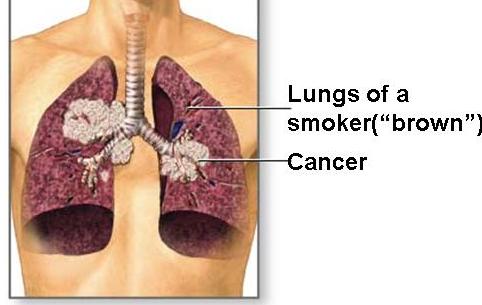
Research in the 1990's seemed to indicate that beta-carotene supplements may increase lung cancer risk in smokers. However, a new analysis of dietary records from one of these studies led researchers to a different conclusion. Male smokers with the highest overall antioxidant intake, including beta-carotene, actually had a reduced risk of lung cancer.

In observational studies, a high intake of individual antioxidants was related to increased lung cancer risk in male smokers. However, data from many experiments suggest that there are interactions among antioxidant nutrients; therefore, consideration of multiple antioxidants simultaneously may be important in terms of assessing risk. Yale University researchers evaluated dietary records of participants in the Alpha-Tocopherol, Beta-Carotene Cancer Prevention Study (ATBC). A group of over 27,000 Finnish male smokers aged 50-69 had food records analyzed along with intakes of carotenoids, flavonoids, vitamin E, selenium, and vitamin C. After evaluating the overall intake of antioxidants in this group, the conclusion differs somewhat from the original study. According to this new analysis, the men with higher overall intakes of antioxidants had lower relative risks of lung cancer, regardless of their assigned study group (beta-carotene or placebo). While researchers of the ATBC study concluded that high-dose beta-carotene supplementation may increase lung cancer risk in male smokers, these findings support the hypothesis that a combination of dietary antioxidants reduces lung cancer risk in men who smoke.

Source: Development of a Comprehensive Dietary Antioxidant Index and Application to Lung Cancer Risk in a Cohort of Male Smokers, Margaret E. Wright, Susan T. Mayne, Rachael Z. Stolzenberg-Solomon, Zhaohai Li, Pirjo Pietinen, Philip R. Taylor, Jarmo Virtamo, and Demetrius Albanes, American Journal of Epidemiology 2004 Jul 1; 160(1):68-76

JAMA meta-analysis of antioxidants - flawed data, biased analysis, and inappropriate conclusions

Recent news stories sensationalizing the results of a new controversial study reported in the February 28, 2007 issue of the Journal of the American Medical Association (JAMA) imply that antioxidants do not have health benefits, and in fact, may lead to increased mortality. In our analysis of this study, we see little or no evidence to support this conclusion.

Source: Mortality in Randomized Trials of Antioxidant Supplements for Primary and Secondary Prevention: Systematic Review and Meta-analysis, Bjelakovic et al, JAMA. 2007;297:842-857

It is important to understand that this current study is not a new clinical trial, but a statistical analysis determined from many studies (called a meta- analysis). Meta-analysis studies are actually designed to pool similar studies for statistical comparison. However for this meta-analysis, the authors combined studies that differed vastly in design, use rates, duration, and study population. After careful review, it appears that the authors simply analyzed data that fit a predetermined conclusion, which is an invalid use of a statistical method. This is a great example of improper statistical use in research methodology.

There is a large body of data including observational studies, prospective epidemiological studies and randomized clinical studies that have shown positive benefits of antioxidant supplementation (including reduced cardiovascular disease, some cancers, immune support and reduced progression of eye disease). Interestingly, these studies were excluded from the analysis. And while the initial analysis examined 1201 research papers from 815 trials, only 68 trials were actually used in the final analysis. Furthermore, when the initial results from this data did not show any effect on death rates, the authors removed an additional 21 studies (called a sub analysis) to draw their conclusion that supplements increase risk of mortality.

Interestingly, in these 47 remaining studies, the doses used greatly exceeded normal use rates, and in many cases, were well above tolerable upper intake limits (UL) (i.e. they used doses that may not be safe). In contrast, the studies eliminated from this study generally used doses that did not exceed the UL and were more in line with actual use rates.

Finally, the majority of the studies examined are secondary prevention studies. That is, the study populations had already been diagnosed with diseases such as heart disease and cancers. This is a very risky population to study, and conclusions from these studies should not be used to make recommendations for prevention in generally health populations.

We are not the only ones who have criticized these results. Several scientific organizations and other researchers have already published criticisms of this paper. Professor Balz Frei director of the Linus Pauling Institute at Oregon State University stated:


"This is a flawed analysis of flawed data, and it does little to help us understand the real health effects of antioxidants, whether beneficial or otherwise. Instead of causing harm, the totality of the evidence indicates that antioxidants from foods or supplements have many health benefits, including reduced risk for cardiovascular disease, some types of cancer, eye disease and neurodegenerative disease. In addition, they are a key to an enhanced immune system and resistance to infection.

The "meta-analysis" published in JAMA, which is a statistical analysis of previously published data, looked at 815 antioxidant trials but included only 68 of them in its analysis. And two of the studies excluded " which were published in the Journal of the National Cancer Institute and the prominent British medical journal Lancet " found substantial benefits and reduced mortality from intake of antioxidant supplements."

"If these two large studies had been included, none of the reported effects on increased mortality would have been significant, with the exception of the effects of beta carotene. And the research showing a higher incidence of lung cancer in smokers who take supplements of beta carotene or vitamin A is old news, that's been known for many years. Very high doses of vitamin A are known to have multiple adverse health effects."

"All the new study really demonstrates, is a bias toward identifying studies or research that show harm caused by antioxidants, and selective removal of research that shows benefits."

We don't know why the authors chose to evaluate this small carefully selected group of studies, or why they ignored the larger body of evidence published on the benefits of antioxidants. But it appears to be an obvious attempt to sensationalize incomplete data that serves no purpose other than to alarm a large portion of the supplement using population. We are not fooled by this report. Furthermore, we will continue to provide our associates and customers with a wide array of antioxidants to be used as part of an overall comprehensive nutritional program.


John Cuomo, Ph.D. Executive Director R&D USANA Health Sciences, Inc.

The full text of the Linus Pauling Institute press release can be found here.

Additional comments on the JAMA study can be found at the following links:

Council for Responsible Nutrition
NutraIngredients.com
Natural Products Association
Alliance for Natural Health

High antioxidant levels are associated with a reduced risk of periodontitis

Periodontitis is an inflammatory disease that affects the supporting tissues of the teeth and is associated with an increased risk of stroke, type-2 diabetes, and heart disease. A new study reveals that increased serum antioxidant concentrations are associated with a reduced risk of periodontitis, even in people who have never smoked.

Periodontitis is an inflammatory condition of the tissue surrounding the teeth which has been linked with an increased risk of stroke, type-2 diabetes, and heart disease. A new report published in the Journal of Nutrition revealed that higher serum antioxidant levels are associated with a reduction in the risk of periodontitis. The current research examined data from 11,480 participants in the Third National Health and Nutrition Examination Survey (NHANES III), for whom periodontal measurements and serum levels of several antioxidants had been recorded.

These antioxidants included alpha-carotene, beta-carotene, selenium, lutein, beta-cryptoxanthin, vitamins A, C and E, and total antioxidant levels. Mild periodentitis was found in 14% of the subjects and 5% had severe disease. Higher vitamin C and total antioxidant levels were associated with a lower incidence of periodontitis, especially with severe disease. Individuals whose vitamin C levels were in the top 20% of participants had a 39% lower risk of periodontitis than participants with the lowest intakes. For subjects who had never smoked, those with the highest intake of vitamin C experienced only half the risk of periodontitis compared to those with the lowest vitamin C levels.

Vitamin C has a role in collagen synthesis and maintenance of connective tissue, which may explain its benefit in protecting against periodontitis. In addition, it is known as a potent antioxidant that may also help reduce inflammation.

Source: The Prevalence of Inflammatory Periodontitis Is Negatively Associated with Serum Antioxidant Concentrations, Iain L. C. Chapple, Mike R. Milward and Thomas Dietrich, Journal of Nutrition Vol. 137, 657-664, March 2007

Increased fiber intake protects against cardiovascular disease risk factors

Image: FreeDigitalPhotos.net

Increasing dietary fiber intake to at least 25 grams per day from varied sources provides a significant protective effect against cardiovascular disease. Researchers presumed that fiber intakes of 30- 35 grams per day would likely provide an even greater protective effect.

Increased dietary fiber intake is associated with reduced levels of a number of cardiovascular disease risk factors. The results of a study published in the American Journal of Clinical Nutrition add to a growing body of evidence linking higher dietary fiber intake with a lower risk of heart disease. Nearly 6,000 men and women were selected from participants in an ongoing trial designed to evaluate the effect of antioxidants on cancer and heart disease incidence over an eight year period. The highest total of insoluble dietary fiber intakes were associated with reductions in the risks of overweight and elevated waist-to-hip ratio, blood pressure, cholesterol, triglycerides, and homocysteine. Fiber from cereals was associated with a lower body mass index, blood pressure, and homocysteine concentration; fiber from vegetables with a lower blood pressure and homocysteine concentration; and fiber from fruit with a lower waist-to-hip ratio and blood pressure. Fiber from dried fruit or nuts and seeds was associated with a lower body mass index, waist-to-hip ratio, and glucose concentrations. The findings of this study illustrate the significance of increasing fiber intake from various dietary sources. The results also indicate that 25 grams total dietary fiber per day is the minimum intake required to attain a significant protective effect against cardiovascular disease, and that total dietary fiber intakes of 30-35 grams/day will likely provide an even greater protective effect.

Source: Dietary fiber intake and risk factors for cardiovascular disease in French adults, Denis Lairon, Nathalie Arnault, Sandrine Bertrais, Richard Planells, Enora Clero, Serge Hercberg and Marie-Christine Boutron-Ruault, American Journal of Clinical Nutrition, Vol. 82, No. 6, 1185-1194, December 2005