Health Nuggets
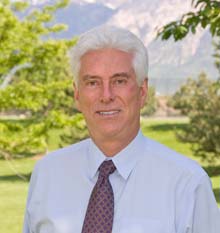
Welcome to "Health Nuggets", which are periodic emails that have been written by Ray D. Strand, M. D. and sent from his "online" medical practice. Dr. Strand is a family physician who has been involved in a private family practice for over 30 years. For the past 12 years, he has focused his practice on nutritional and preventive medicine. He has written several best selling books like What Your Doctor Doesn't Know about Nutritional Medicine, Death by Prescription, and Healthy for Life. He has lectured across the US, Canada, Australia, New Zealand, Malaysia, and Singapore on preventive and nutritional medicine. He has also appeared on many radio and television shows.
His primary focus is to guide and educate those individuals who desire to become more proactive in protecting their health or regaining their health. His "online" medical practice is located at www.drraystrand.com*** where he shares a wealth of information in regards to those healthy lifestyles that have been shown to truly protect your health or even allow you to regain your health if you have already lost it. Members of his "online" medical practice also have personal access to Dr. Strand via email and phone consults at a very reasonable fee. Members also have access to his specific nutritional recommendations for over 100 different diseases and his bi-monthly newsletter.
You will receive short and concise emails approximately twice each week. These "Health Nuggets" are intended to share the health benefits of taking high-quality, complete and balanced nutritional supplements. You will also receive information about what constitutes a healthy diet and exercise program. When you combine a healthy diet, along with a modest, consistent exercise program and nutritional supplementation, you give yourself the absolute best chance of protecting your health. You will find that Dr. Strand's personal guidance through these short, concise emails will certainly be valuable in helping you protect your health.
There is so much information that is now available on the Internet today and it is hard to know what is true and what is not. Dr. Strand's mission is to be that health care provider that you can trust. He will share his clinical experience along with his extensive research of the medical literature as he presents the medical evidence that demands a verdict—Should you be taking Nutritional Supplements?
N.B.
- all these health nuggets are sourced from Dr. Strand Health Nuggets (newsletter@Bionutrition.org).
- www.drraystrand.com***
Welcome to "Health Nuggets", which are periodic emails that have been written by Ray D. Strand, M. D. and sent from his "online" medical practice. Dr. Strand is a family physician who has been involved in a private family practice for over 30 years. For the past 12 years, he has focused his practice on nutritional and preventive medicine. He has written several best selling books like What Your Doctor Doesn't Know about Nutritional Medicine, Death by Prescription, and Healthy for Life. He has lectured across the US, Canada, Australia, New Zealand, Malaysia, and Singapore on preventive and nutritional medicine. He has also appeared on many radio and television shows.
His primary focus is to guide and educate those individuals who desire to become more proactive in protecting their health or regaining their health. His "online" medical practice is located at www.drraystrand.com*** where he shares a wealth of information in regards to those healthy lifestyles that have been shown to truly protect your health or even allow you to regain your health if you have already lost it. Members of his "online" medical practice also have personal access to Dr. Strand via email and phone consults at a very reasonable fee. Members also have access to his specific nutritional recommendations for over 100 different diseases and his bi-monthly newsletter.
You will receive short and concise emails approximately twice each week. These "Health Nuggets" are intended to share the health benefits of taking high-quality, complete and balanced nutritional supplements. You will also receive information about what constitutes a healthy diet and exercise program. When you combine a healthy diet, along with a modest, consistent exercise program and nutritional supplementation, you give yourself the absolute best chance of protecting your health. You will find that Dr. Strand's personal guidance through these short, concise emails will certainly be valuable in helping you protect your health.
There is so much information that is now available on the Internet today and it is hard to know what is true and what is not. Dr. Strand's mission is to be that health care provider that you can trust. He will share his clinical experience along with his extensive research of the medical literature as he presents the medical evidence that demands a verdict—Should you be taking Nutritional Supplements?
N.B.
- all these health nuggets are sourced from Dr. Strand Health Nuggets (newsletter@Bionutrition.org).
- www.drraystrand.com***